

How Marketing Merchandise Builds Brand Recognition
Posted by Supply Crew on 9th Apr 2026
How Marketing Merchandise Builds Brand Recognition
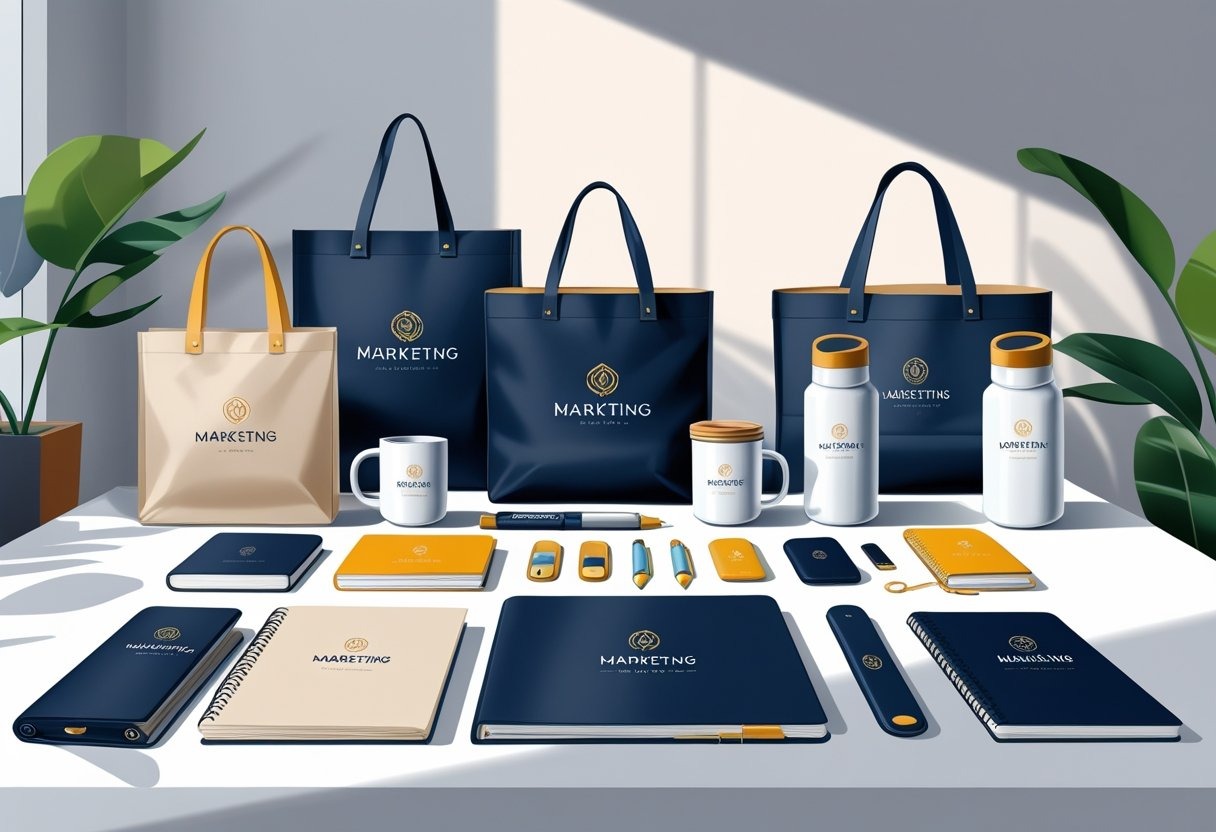
Marketing merchandise has become a cornerstone of effective business promotion, transforming everyday items into powerful tools that keep your brand in front of customers long after initial contact. When selected strategically, promotional products can deliver higher brand recall rates than traditional advertising whilst strengthening client engagement through tangible, useful items that people actually keep and use. This approach works because it taps into the psychology of reciprocity and creates repeated exposure to your brand in daily life.
Your marketing strategy needs to account for more than just visibility. The merchandise you choose directly impacts how clients perceive your business and whether they remember you when making purchasing decisions. Different product types produce varying levels of brand recall, and understanding these differences helps you allocate your marketing campaign budget more effectively.
Selecting the right merchandise mix requires balancing practical considerations like budget and audience preferences with strategic goals around brand positioning and message retention. You'll need to understand why certain items work better than others, how different products compare in terms of lasting impact, and which combinations create the strongest return on your investment.
The Psychology Of Branded Merchandise And Why It Works For Marketing
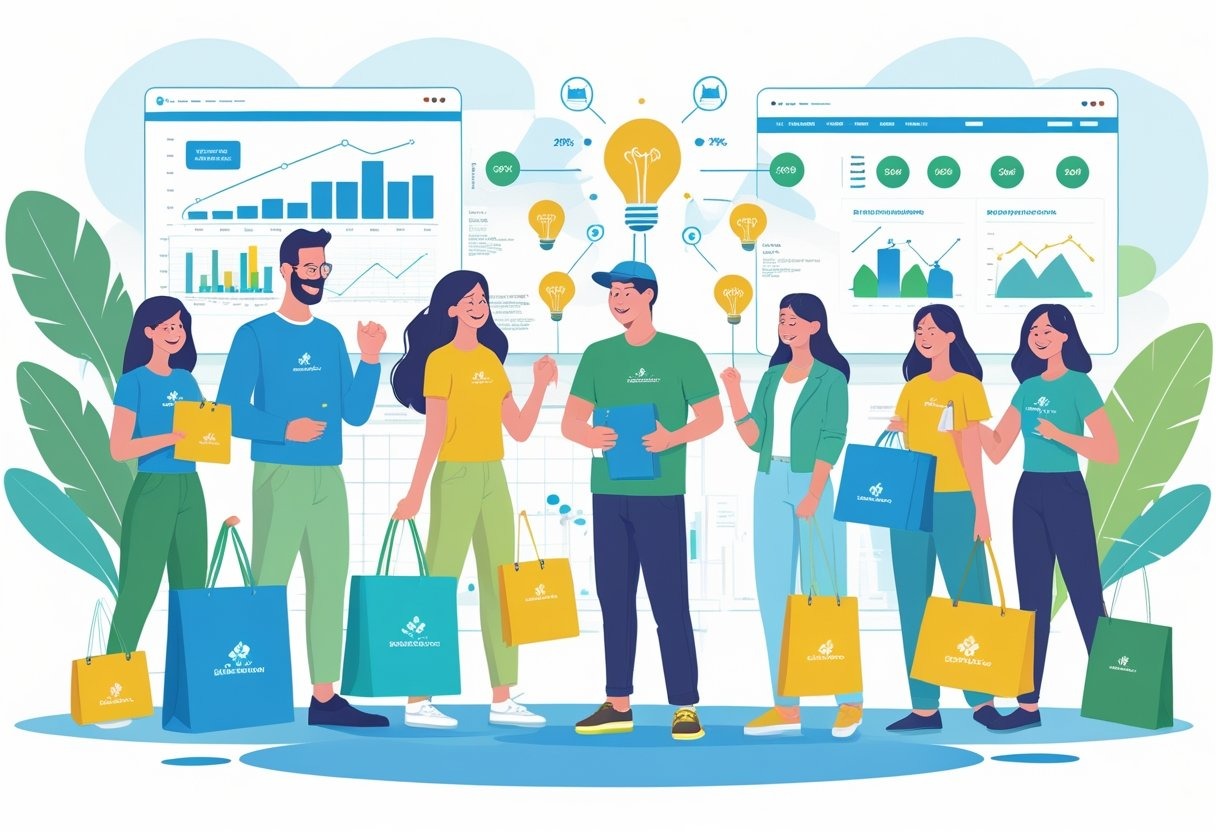
Branded merchandise taps into fundamental psychological principles that make it remarkably effective for promotional marketing. When you give someone a physical product with your logo, you trigger the principle of reciprocity - people feel compelled to return favours when they receive something of value.
Promotional products create what psychologists call’associative memory’. Each time your customers use that branded coffee mug or wear that corporate merchandise, they form positive associations with your brand. This repeated exposure significantly boosts brand awareness and keeps your business at the forefront of their minds.
Key psychological drivers of promotional merchandise effectiveness
- Emotional connection through tangible items that digital marketing cannot replicate
- Identity expression as people align themselves with brands they value
- Social signalling when using branded products in public spaces
- Memory anchoring through physical reminders of your brand
Branded products work because they transform abstract brand concepts into concrete, useful items that integrate into daily life. Unlike fleeting digital advertisements, promotional advertising through physical merchandise remains visible for months or years.
The effectiveness of corporate merchandise also stems from personalisation and utility. When you provide high-quality, practical items, recipients perceive genuine value rather than cheap giveaways. This perception directly influences customer loyalty and purchasing decisions.
Promotional merchandise enhances brand visibility in ways digital channels cannot achieve. A branded tote bag carried through shopping centres exposes your logo to hundreds of potential customers. This organic reach amplifies your marketing investment whilst building authentic connections with your existing audience.
Comparing Product Types And Brand Recall Rates
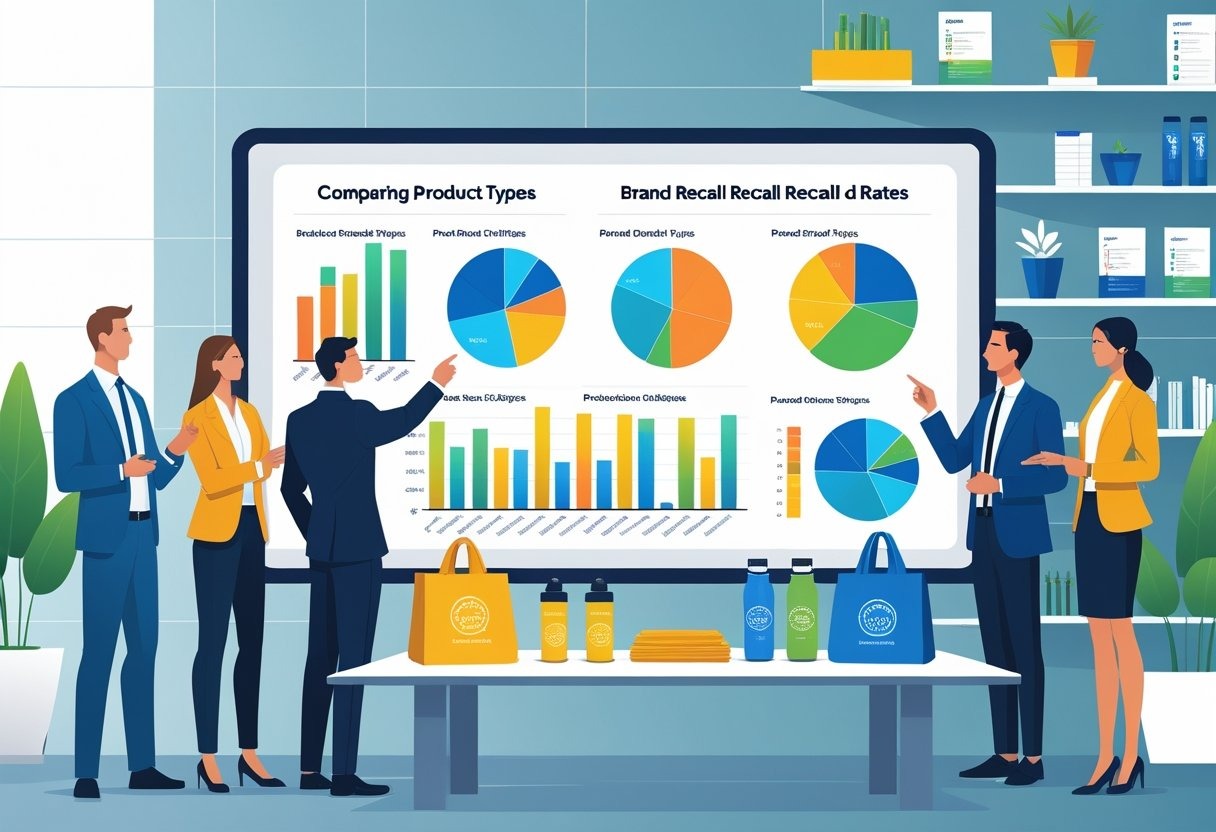
Different promotional merchandise categories generate vastly different brand recall rates, with apparel, tech items, and drinkware each demonstrating unique memory triggers and retention patterns based on usage frequency and visibility factors.
Apparel
Branded apparel consistently achieves high recall rates because recipients wear these items repeatedly in public settings. T-shirts, caps, and custom branded jackets transform customers into walking advertisements, creating multiple impressions across diverse audiences. Research indicates that apparel items generate an average of 3,400 impressions over their lifetime.
The visibility factor matters significantly here. A branded polo shirt worn to work meetings, social gatherings, or weekend activities exposes your logo to dozens of people per wear. This repeated exposure strengthens brand recall substantially more than items kept in private spaces.
Quality directly impacts retention and recall. Recipients keep well-made garments for years, whilst cheap alternatives end up discarded within months. When your branded hoodie becomes someone's favourite weekend wear, your brand embeds itself in their routine and memory.
Tech
Technology products deliver exceptional brand recall rates due to their high perceived value and daily usage patterns. USB drives, power banks, and phone accessories remain in constant rotation, creating sustained brand exposure. These items typically generate 1,000 to 3,000 impressions throughout their lifespan.
The functional necessity of tech items ensures they're not tucked away in drawers. A branded power bank sits on desks, travels in bags, and appears during meetings when devices need charging. Branded pens, whilst simpler tech, achieve remarkable recall because people use them multiple times daily and frequently share them.
Desktop items like phone stands or wireless chargers occupy prime visual real estate in workspaces. Your logo becomes part of someone's daily environment, reinforcing brand memory through consistent exposure.
Drinkware
Drink bottles and coffee mugs rank amongst the most effective promotional merchandise for brand recall, with usage rates reaching 89% amongst recipients. These items integrate into daily routines, appearing at desks, in cars, and during exercise. Promotional drink bottles generate approximately 1,400 impressions per item annually.
Coffee mugs excel at creating morning ritual associations. When someone reaches for your branded mug during their first coffee, your brand becomes linked to that positive daily moment. This emotional connection strengthens recall beyond simple visual exposure.
Reusable drink bottles benefit from sustainability trends. Recipients proudly display eco-friendly branded bottles at gyms, offices, and outdoor activities, amplifying visibility across varied social contexts. The practical value ensures these items remain in active use for years, maintaining consistent brand presence in users' lives.
Selecting The Right Merchandise Mix
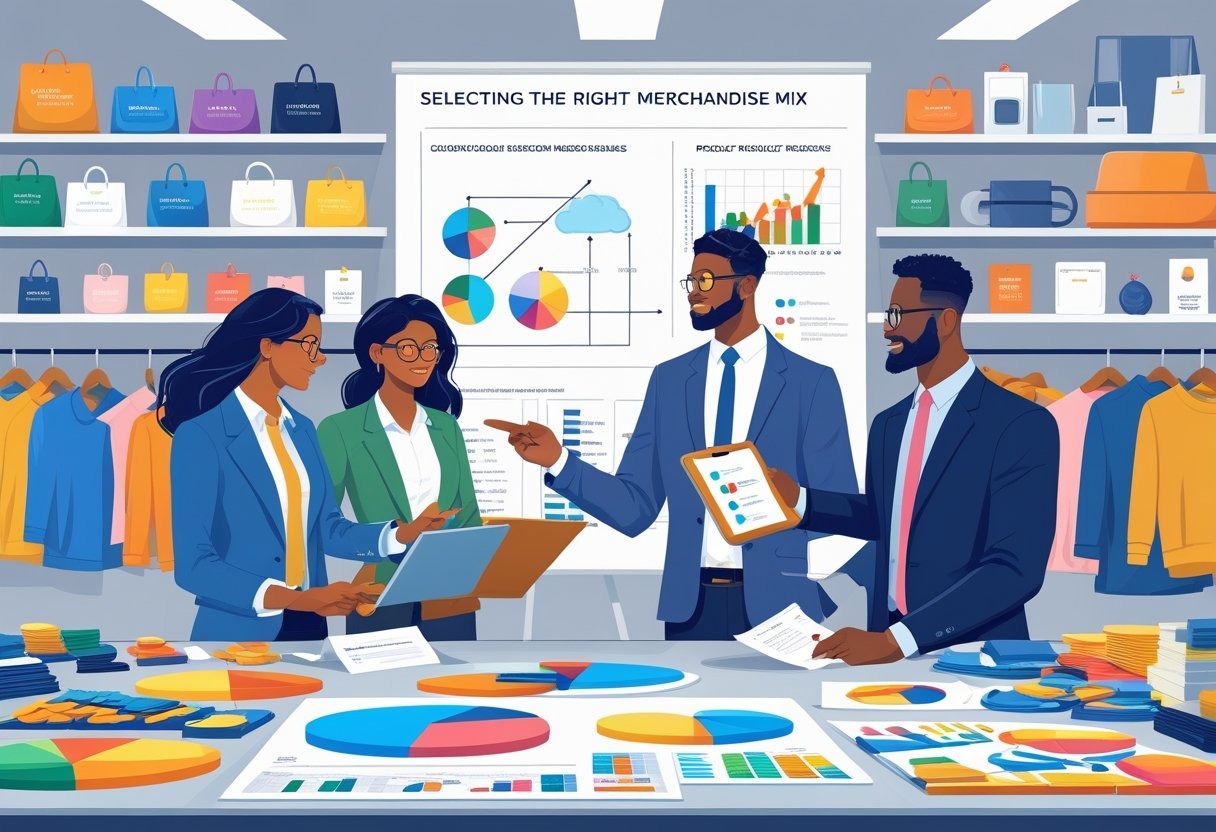
Your merchandise mix represents the complete range of promotional products you offer to customers or stakeholders. Selecting the right combination of promotional items requires careful consideration of your target audience, budget, and marketing objectives.
Start by identifying which promotional products align with your brand identity and resonate with your intended recipients. Consider practical items like tote bags that offer daily utility, or choose corporate gifts that reflect your company's values and positioning. The key is matching product selection to the preferences and lifestyles of your audience.
Essential factors to evaluate include:
- Product quality and durability
- Budget allocation per item
- Brand alignment and messaging
- Practical value for recipients
- Customisation capabilities
Your branded gifts should work together as a cohesive collection rather than random selections. Think about how different promotional items serve various purposes - some might be perfect for trade shows, whilst others suit client appreciation or employee recognition programmes.
Promo products with custom designs must maintain consistent branding across your entire range. This means coordinating colours, logos, and messaging on all promotional material to reinforce brand recognition. Quality matters more than quantity; offering fewer premium items often delivers better results than a large selection of inferior products.
Consider seasonality and timing when building your merchandise assortment. Some promotional gifts work better for specific campaigns or events, whilst others serve as year-round staples. Balance trending items with timeless classics to create a versatile promo items portfolio that serves multiple marketing needs throughout the year.